Understanding Business Problems and Data Requirements
Before using Power BI for data analysis, it is essential to understand the business problems, identify relevant data needs, set clear objectives, and use structured frameworks for decision-making.
1. Identifying Business Problems
A business problem is a challenge that affects an organization's efficiency, profitability, or decision-making.
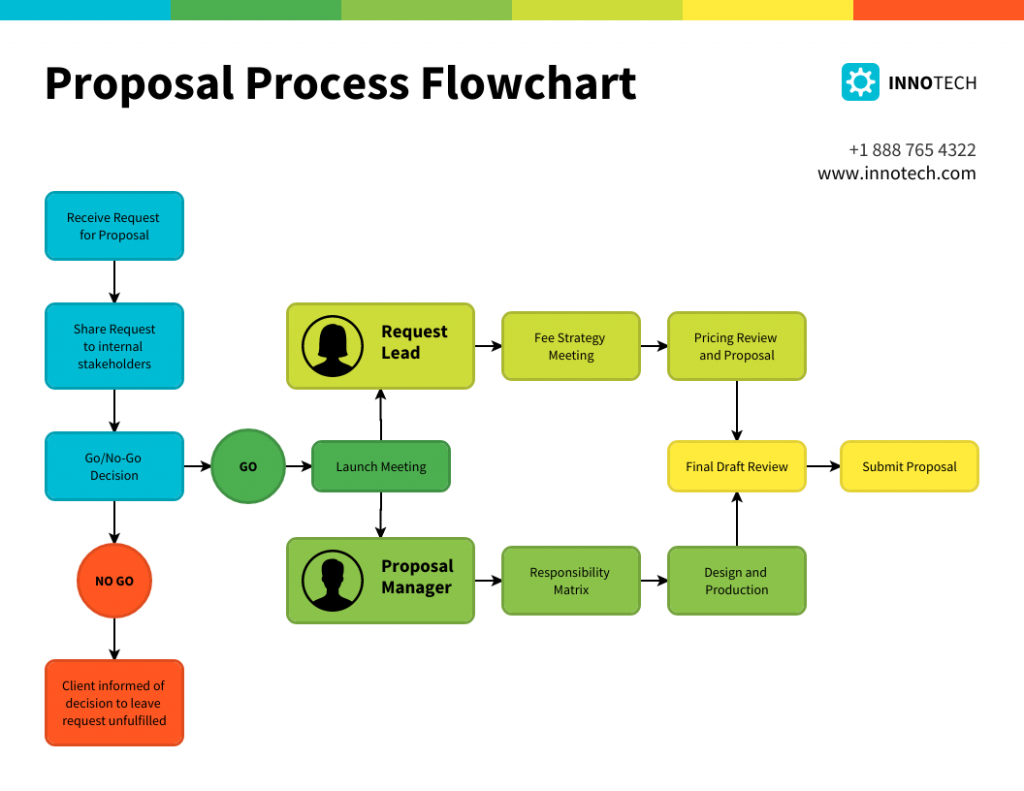
Identifying the right problem ensures that data analysis is meaningful and aligned with business goals.
Key Considerations:
✅ Stakeholder Needs: What do business leaders, customers, and employees need? ✅ Business Impact: How does this problem affect sales, operations, or customer satisfaction? ✅ Root Cause Analysis: Use frameworks like 5 Whys or Fishbone Diagrams to find the underlying cause. ✅ Measurable Outcomes: Ensure the problem can be tracked using data-driven metrics.
Real-World Example:
🔹 A retail company notices a decline in sales. Instead of assuming "customers don’t like the products," they analyze:
- Store foot traffic data
- Customer purchase trends
- Competitor pricing
This helps them find the real problem—a new competitor is offering discounts, impacting their sales.
Practice Problem:
📌 Identify a business problem in an e-commerce company and suggest relevant data points for analysis.
2. Understanding Data Needs
Once a business problem is identified, the next step is to determine what data is required to solve it.
Key Considerations:
✅ Types of Data:
- Structured Data: Sales numbers, customer demographics
- Unstructured Data: Customer reviews, social media posts
✅ Data Sources:
- Internal: CRM, financial reports, employee performance data
- External: Market trends, competitor pricing, customer surveys
✅ Data Collection Methods:
- Direct from databases (SQL, Excel)
- API integrations for live data
- Web scraping or third-party sources
✅ Data Quality:
- Ensure accuracy, completeness, and consistency before using it for analysis.
Real-World Example:
🔹 A streaming service wants to improve its movie recommendations. The company collects:
- Viewing history
- User ratings
- Genre preferences
This data is used to build a personalized recommendation system.
Practice Problem:
📌 Suggest key data metrics needed to improve customer retention for an online fitness app.

3. Setting Objectives for Data Analysis
Having a clear objective ensures that the data analysis remains focused and results in actionable insights.
Key Considerations:
✅ Defining KPIs (Key Performance Indicators): Metrics like revenue growth, churn rate, and conversion rate. ✅ Choosing Analytical Methods:
- Descriptive Analytics: What happened?
- Diagnostic Analytics: Why did it happen?
- Predictive Analytics: What will happen?
- Prescriptive Analytics: What should be done?
✅ Expected Outcomes:
- Clear action points based on the data
- Insights that lead to business improvements
Real-World Example:
🔹 A restaurant wants to increase repeat customers. Using Power BI, they analyze:
- Customer visit frequency
- Favorite dishes
- Discount usage
Based on insights, they create a loyalty program targeting frequent customers.
Practice Problem:
📌 Define KPIs for evaluating the effectiveness of a new product launch.
4. Frameworks for Data-driven Decision Making
To make better decisions, businesses use structured data frameworks to analyze information systematically.
a) CRISP-DM (Cross-Industry Standard Process for Data Mining)
A widely used data science methodology with six stages: 1️⃣ Business Understanding – Define objectives 2️⃣ Data Understanding – Collect and explore data 3️⃣ Data Preparation – Clean and preprocess data 4️⃣ Modeling – Apply machine learning or statistical models 5️⃣ Evaluation – Validate insights against business goals 6️⃣ Deployment – Implement findings into business processes 🔹 Example: A bank uses CRISP-DM to detect fraudulent transactions by analyzing patterns in customer spending behavior.
b) Decision Tree Framework
A visual model that helps break down complex decisions by considering possible outcomes and risks. 🔹 Example: A credit card company uses decision trees to approve or reject loan applications based on:
- Credit score
- Income level
- Debt history
c) The OODA Loop (Observe, Orient, Decide, Act)
Used in fast-moving industries, this framework helps businesses react quickly to changes. 🔹 Example: An e-commerce company uses the OODA loop to adjust its pricing in real time based on competitor discounts.
Practice Problem:
📌 Apply the CRISP-DM model to a retail business trying to predict customer demand for a new clothing line.
Conclusion
Understanding business problems and defining data requirements are the first steps in leveraging Power BI effectively. By setting clear objectives and using structured frameworks, organizations can transform raw data into valuable insights. 🚀 Next Steps: Try applying these principles in Power BI by analyzing real-world datasets!